Squat
3×10–15 reps, 2 sec down, 1 sec up. Heels stay down.

Educational content only — not medical advice. Free information; we do not sell products or coaching. About us
Bodyweight training is one of the most accessible forms of movement on the planet. Your mass provides resistance, your joints learn stable patterns, and you can scale difficulty without buying a single kettlebell. This guide walks through setup, core exercises, sample circuits, and common mistakes — all designed for Australians in flats, townhouses, and shared living spaces where noise and footprint matter.
Before your first rep, scan the room. Move coffee tables, charging cables, and loose rugs. You need roughly two metres by two metres — about the footprint of a single bed laid flat. Hard floors benefit from a thin mat or folded towel under knees and wrists. Carpet offers cushioning but can grip unevenly; test plank position first.
Lighting matters more than people think. Face a window or lamp so you can see knee alignment during squats and lumbar position during planks. If you live above neighbours, favour controlled tempo over jumping. A three-second lowering phase on squats builds load without stomping. Keep a water bottle at the edge of your zone and phone on silent except for a timer app.
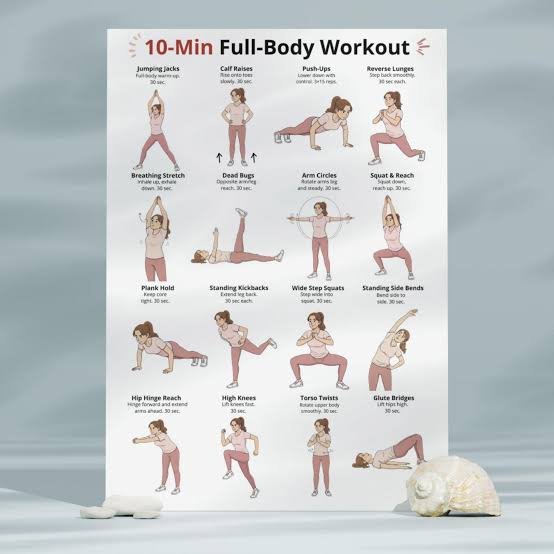
Four patterns cover most of what you need: squat, hinge, push, and core anti-extension. The bodyweight squat targets quads and glutes — feet shoulder-width, toes slightly out, sit back as if to a chair, knees tracking over toes. The glute bridge is your hinge — lie on your back, feet flat, drive hips up while squeezing glutes at the top. Push-ups load chest and triceps; start incline with hands on a bench or wall if needed. Planks train core stability — elbows under shoulders, straight line from head to heels.
Add lunges for single-leg strength and balance. Step one foot forward, lower back knee toward floor, front knee stays above ankle. Bird-dog on all fours extends opposite arm and leg for spinal coordination. These six moves form the backbone of every no-equipment session on this site. Master smooth reps before chasing speed or high counts.
3×10–15 reps, 2 sec down, 1 sec up. Heels stay down.
3×12 reps, pause 2 sec at top. Avoid arching lower back.
3×6–12 reps. Incline to modify; full range of motion.
Warm up for three minutes: arm circles, leg swings holding a wall, ten bodyweight squats at half depth. Main circuit — complete three rounds, forty-five seconds work / fifteen seconds rest between exercises, one minute rest between rounds: squats, push-ups, alternating reverse lunges, plank hold, glute bridges. That is roughly fifteen minutes of work. Cool down with two stretches — hip flexor lunge hold and chest opener in a doorway — thirty seconds each side.
This template scales easily. Beginners do two rounds; advanced trainees add a fourth or slow the eccentric on squats to four seconds. Record round completion times in a note app. When all three rounds feel comfortable with consistent form, add two reps per exercise next session rather than cutting rest to zero.
A blank wall becomes training equipment. Wall sits build quad endurance — back flat against wall, thighs parallel to floor, hold twenty to forty seconds for three sets. Incline push-ups with hands on a kitchen bench reduce load while you build pressing strength. Chair tricep dips work arms — hands on seat edge, feet forward, lower until elbows reach ninety degrees. Always test furniture stability first; no wheels, no wobble.
In general bodyweight training, incline angles can change muscle emphasis gradually. Moving from wall to bench to floor push-ups spreads progression across weeks. Never lock elbows aggressively at the top of dips or push-ups — keep a soft bend to protect joints. If wrists bother you on floor planks, use forearm plank instead.
Rushing reps is the top error — momentum hides weak points and raises injury risk. Count a slow three on the lowering phase. Second mistake: skipping warm-ups because the session is short. Even five minutes of movement prep improves squat depth and shoulder comfort. Third: holding breath during planks and push-ups; exhale on the effort phase.
Fourth mistake: comparing your day one to someone else's year five on social media. Your living room session is yours alone. Fifth: doing the same exercises daily without rest — muscles adapt during recovery. Alternate lower and upper emphasis or take a walking rest day. Form beats fatigue every time; stop the set when hips sag in planks or knees cave in squats.
Tip: Film yourself from the side for one set monthly. Video reveals forward lean in squats and hip drop in planks better than a mirror.
Bodyweight exercise still loads joints and cardiovascular systems. Warm up every session, wear non-slip footwear on tile, and stop if you feel pain beyond normal exertion. Pregnant individuals, people returning from injury, or anyone with chronic conditions should seek personalised advice before new routines. Keep children and pets out of your movement zone.
July 2026
Film one exercise daily; refine squat and push-up alignment.
August 2026
Create your own 18-minute circuit from six foundation moves.
September 2026
Focus on slow-tempo and isometric holds for shared living.